
It is generally considered a safe and reliable choice to establish a secure connection for providing the technicians with remote access to industrial assets.
Industrial Remote Access VPN: Secure Connectivity for Remote Operations

Industrial Remote Access VPN has brought a significant impact to present-day manufacturing, allowing technicians, operators, and machine builders to control the industrial assets remotely. The VPN helps by routing the internet traffic through a secure, encrypted tunnel to upgrade security and privacy.
This VPN service allows the authorized personnel to virtually access and control the industrial machinery and equipment to increase productivity and prevent damage.
It provides the engineers and technicians with the capability of troubleshooting and operating the machinery. Read out the full article to understand Industrial Remote Access VPN, along with the benefits and risks associated with it.
Table of Contents:
- What is Industrial Remote Access VPN?
- Remote Access VPNs: How Do They Work, And Are They Truly Secure?
- Remote Access VPN vs Site-to-Site VPN
- How to Set Up Industrial Remote Access VPN?
- Key Components of Industrial Remote Access VPN
- Benefits of using Industrial Remote Access VPN
- Limitations and Risks Involved with Industrial Remote Access VPN
- The Final Verdict
- FAQs
What is Industrial Remote Access VPN?
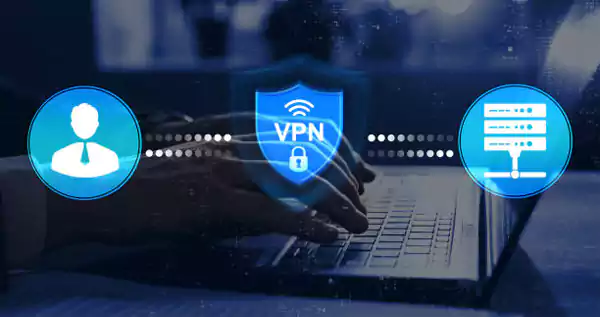
Industrial Remote Access VPN establishes secure remote access and provides the ability to connect and control industrial machinery and equipment from a distant location.
It allows the authorized personnel to create a secure and encrypted connection for optimizing and monitoring machinery to utilize without the need to be actually present at the site.
Industrial Remote Access has some limitations and certain risks associated with it, which can lead to unauthorized individuals accessing the industrial assets. However, Industrial Remote Access VPN assists in establishing secure remote access while offering better efficiency and scalability.
With its use, the concerned engineers can gain control of PLCs, DCS, and SCADA systems to reduce maintenance time and achieve quick resolutions, which brings a significant change in modern manufacturing.
Also Read: The Future of Remote Access: Is VPN Still the Best Solution?
Remote Access VPNs: How do they Work, and Are they Truly Secure?
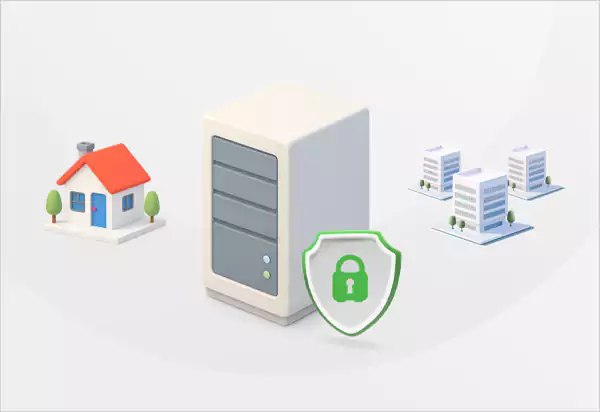
Remote Access VPNs are a virtual private network that works by creating a strong, encrypted tunnel or communication channel between employees and the enterprise’s internal network.
It is usually used by the organization to give virtual access to the employees to equip them with the ability to work remotely. Remote access VPNs are generally considered a secure option, as they enhance security and privacy while providing a single point of control.
These VPNs also offer industrial remote access, which helps organizations in increasing productivity and reducing costs. However, a remote access VPN provides different features compared to the site-to-site VPN.
Remote Access VPN vs Site-to-Site VPN
While both services provide remote access to the employers, site-to-site VPN offers different features and benefits. Understanding the differences between Remote Access VPN vs. Site-to-Site VPN is necessary to evaluate their potential and scalability.
You can read the table below for a quick overview of the major differences.
| Attributes | Remote Access VPN | Site-to-Site VPN |
| Definition | It allows remote employees to establish a secure connection to their organization’s internal network. | It is used to create a secure, encrypted link between two or more different server networks. |
| Connection Type | It is usually used to connect a single device to the server. | This VPN service has the ability to connect an entire network to another network. |
| Benefits | Remote Access VPNs are cost-effective without the need for complex configurations. | Site-to-Site VPN enhances security and offers better reliability and scalability. |
| Drawbacks | It has scalability limitations and the potential for credential theft. | It requires complex configurations, while it also limits the remote access capabilities. |
| Technology Support | Supports IPsec technology. | Supports SSL/TLS and IPsec technology. |
While both are designed to provide virtual access, each possesses certain advantages and limitations. The Site-to-Site VPN offers better scalability, while the remote access VPN allows easy access without complex configurations.
How to Set Up Industrial Remote Access VPN?
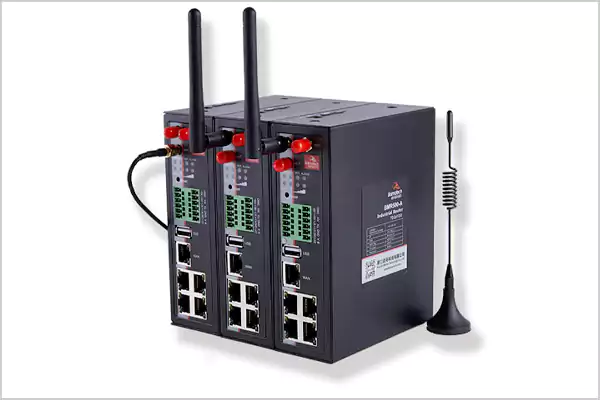
Organizations must implement and configure the remote access VPN properly in order to achieve secure and efficient remote access.
Establishing a remote access VPN requires a simple setup and appropriate hardware requirements for smooth remote industrial operations. We have listed a few steps below to help you understand the hardware requirements and the process to set up Industrial Remote Access VPN.
- Installing the industrial VPN device is the primary step, which includes the installation of industrial VPN router or server and the endpoint VPN client, on the operators’ device.
- The next step includes the connection of an industrial VPN router or server to the Programmable Logic Controllers (PLCs) to establish secure access to industrial control systems.
- Configuring the VPN tunnel and firewall is an essential step that requires the use of a web browser and the router’s interface to achieve a secure connection. This firewall allows only authorized personnel to control and operate the industrial assets.
- At last, test and check the proper configuration and installation of the concerned software and hardware for seamless operations.
Key Components of Industrial Remote Access VPN
There are several core components of Industrial Remote Access systems, including Industrial Remote Access VPN. A few of the key components include:
- The major elements to establish industrial remote access are to have a remote access software. These comprise VPNs and desktop, and access protocols. VPNs are usually considered the most secure way of providing remote access due to their privacy and security features.
- Remote access routers or gateways are required to form an encrypted tunnel for a secure connection. These gateways are set up using an industrial VPN router to provide reliable access to industrial assets and machinery.
- An Industrial Remote Access VPN is required to upgrade the security levels of Industrial Control Systems. These include Supervisory Control and Data Acquisition (SCADA) Systems, Programmable Logic Controllers (PLCs), and Distributed Control Systems (DCS).
- Industrial access system manufacturers use user authentication and multi-factor authentication to prevent unidentified persons from gaining control over assets.
Benefits of using Industrial Remote Access VPN

Organizations have profited the most with the use of industrial Remote Access, as their engineers and technicians gained access to the industry’s assets that help in scaling operations. The key benefits of Industrial Remote Access include:
- VPN works by masking your IP address and directing the internet traffic through secure communication channels. This encryption helps organizations prevent credential leaks and maintain confidentiality.
- The technicians get faster access to machinery with the use of industrial remote access, which eventually assists them in reducing downtime by diagnosing and repairing any particular issues.
- Since it gives remote access to the employees, it reduces the need for site visits for minimum requirements, which helps in cost savings for the organizations.
- By using a VPN, industrial access solution manufacturers reduce the risks of cyber attacks, as a VPN also helps in mitigating and detecting malware and phishing threats.
- It helps in increasing the productivity of employees due to faster response time and seamless access to the company’s assets remotely.
- With the help of a VPN, the operators, and engineers can easily access and collect data from the industry’s internal control systems, including SCADA, PLCs, and DCS.
- Industrial Remote Access VPN allows access to multiple users for quick resolutions to issues without the need for complex configurations.
Also Read: Comparing VPN Security Across Different Platforms (Windows, macOS, Linux, Mobile) in 2025
Limitations and Risks Involved with Industrial Remote Access VPN

While Industrial Remote Access simplifies the industrial operations for organizations, it brings certain risks as well. Some of the possible risks and limitations of Industrial Remote Access VPN include:
- The biggest risks associated with it are the potential security risks if they lack the required safety measures. This can lead to credential theft, malware attacks, and the leakage of the company’s confidential data.
- If multiple users have access to the industrial control systems, it will bring vulnerability to the industrial assets and machinery.
- It brings certain authentication risks as well, which happens when the credential strength is weak. This can lead to cybercriminals gaining unauthorized access to industrial control systems.
- Remote access VPNs have always had scalability limitations, which makes it difficult for industries to scale their operations and deploy a larger workforce.
- Industrial Remote Access brings concerns related to security because of vulnerable endpoints, as VPNs don’t have full access to the security features of the employer’s device.
- The endpoint security issues can lead to potential malware attacks, as they can provide the attackers a platform to hack into the organization’s systems.
- An industry’s dependency on VPNs for remote access can lead to a single point of failure, as the collapse of the VPN service will result in lost connection to remote access.
Also Read: Malware Explained: Malware Meaning, Detection, and Prevention
The Final Verdict
While Industrial remote access VPN possess certain limitations and risks, they also play a pivotal role in increasing productivity and cost savings for organizations.
With the use of VPN, industries can create an encrypted tunnel to establish a secure connection for smooth operations. It provides the technicians and operators with the platform to remotely perform their assigned tasks, which will further boost efficiency and reduce maintenance downtime.
FAQs
Is Industrial Remote Access VPN safe to use?
How does an Industrial Remote Access VPN work?
Remote Access VPN usually works by creating an encrypted tunnel to route the internet traffic and mask the IP address, and establishes a safe connection between the operator’s device and the industrial control systems.
What are the key advantages of using an Industrial Remote Access VPN?
It brings several key benefits, including cost savings and enhanced productivity with reduced maintenance downtime, resulting in quick solutions to issues.
